

Microsite proves planting pedigree with flagship conservation Initiative
Transformative Woodland Creation in Consett
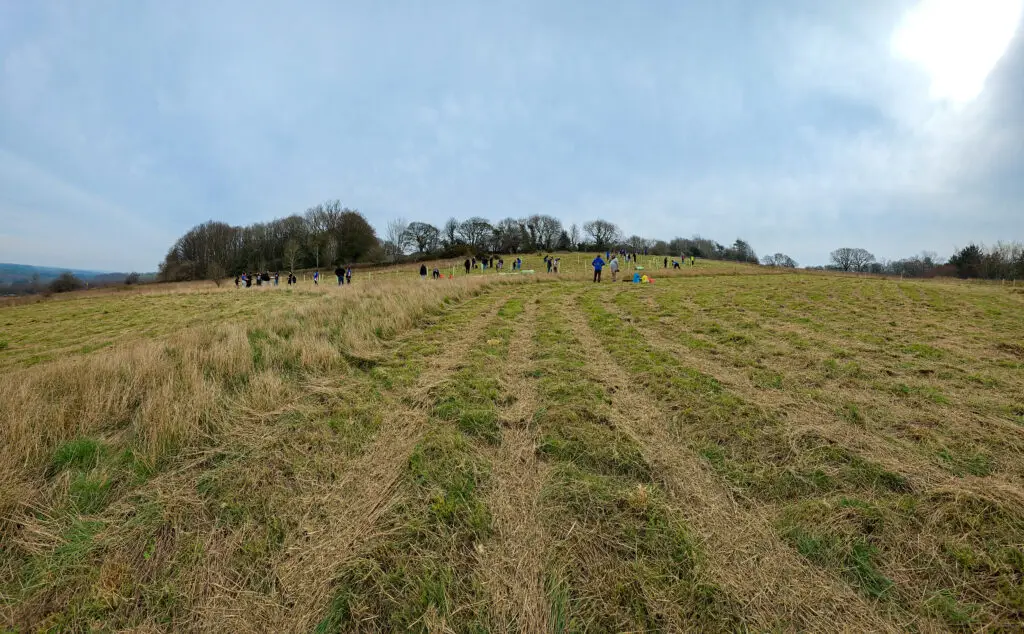
A transformative woodland creation project in North-East England has been achieved with the support of specialist contractor Microsite, who planted 7,500 trees across the 8.24 hectare site.
The project is located at Emmaus Youth Village in Consett – just 15 miles from Durham and Newcastle city centres. Supported with a grant from the Government’s Trees for Climate fund, administered by North East Community Forest, the woodland has been developed to promote biodiversity, education and community wellbeing, as well as serving as a flagship for future local environmental efforts.
Microsite, an environmental and ecological land management company, was contracted to establish the planting scheme, based on a concept by Southern Green Landscape Architects. The site boasts a new community orchard, native broadleaf woodland, open space habitat, wildflower meadows, shelter belts, in-field trees, and ponds. With publicly accessible walking paths and wildlife areas, residents and visitors will benefit from connecting with nature and each other, further enhancing the village’s community spirit.
Supporting Biodiversity, Education and Community Wellbeing
Emmaus Youth Village is owned by the Catholic Diocese of Hexham and Newcastle and managed by the Youth Ministry Trust Charity. The site already features purpose-built lodges, an auditorium, and a restaurant-style dining area for up to 90 guests, along with expansive outdoor spaces ideal for group activities, conferences, and community gatherings.
Increasing native woodland coverage and connecting people with nature is central to Microsite’s mission, with a focus on ecological approaches and long-term planning for the benefit of future generations.
“The new community woodland, orchard and wildflower meadows are designed to maximise the ecological, social and economic value of this important community land asset at Emmaus Youth Village,” explained Peter Holder, Chief Executive of Microsite.
“Combining carefully selected species creates a symbiotic relationship for a self-sustaining system, as well as providing a platform for introducing local people to the many benefits of connecting with natural environments and their local community. Economic benefits include an uplift in land value, improved customer experience and the creation of future carbon credits, not to mention the produce from the orchard!
“I’d like to thank the project stakeholders – North East Community Forest, Youth Ministry Trust, the Diocese of Hexham and Newcastle, and Southern Green Landscape Architects – for the opportunity to be involved in such a fantastic project,” Peter added.
Community Involvement and Long-Term Maintenance
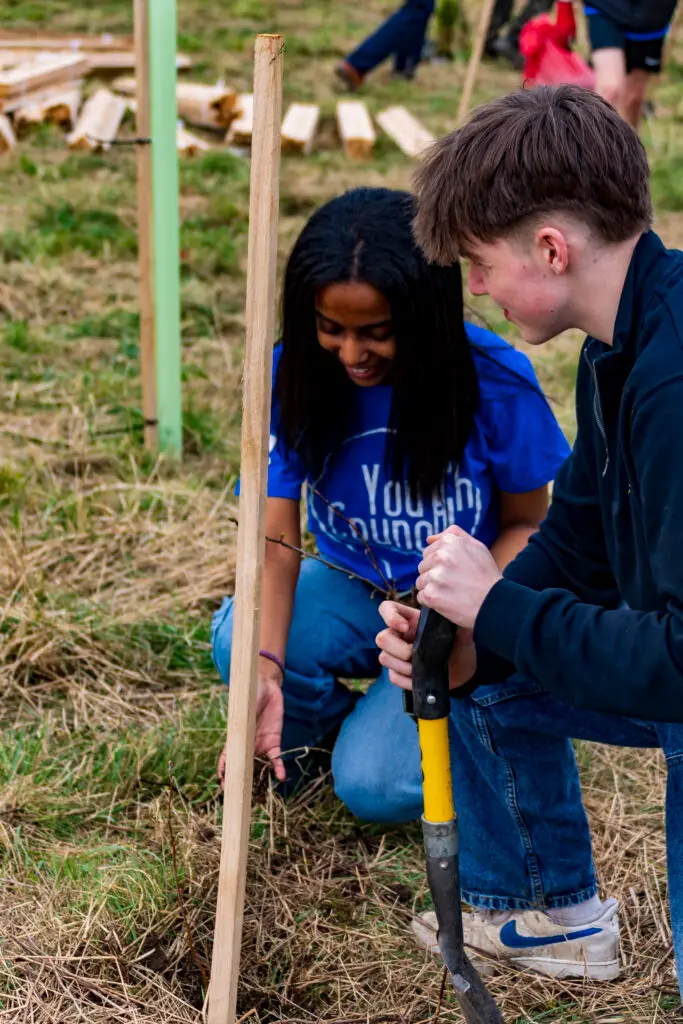
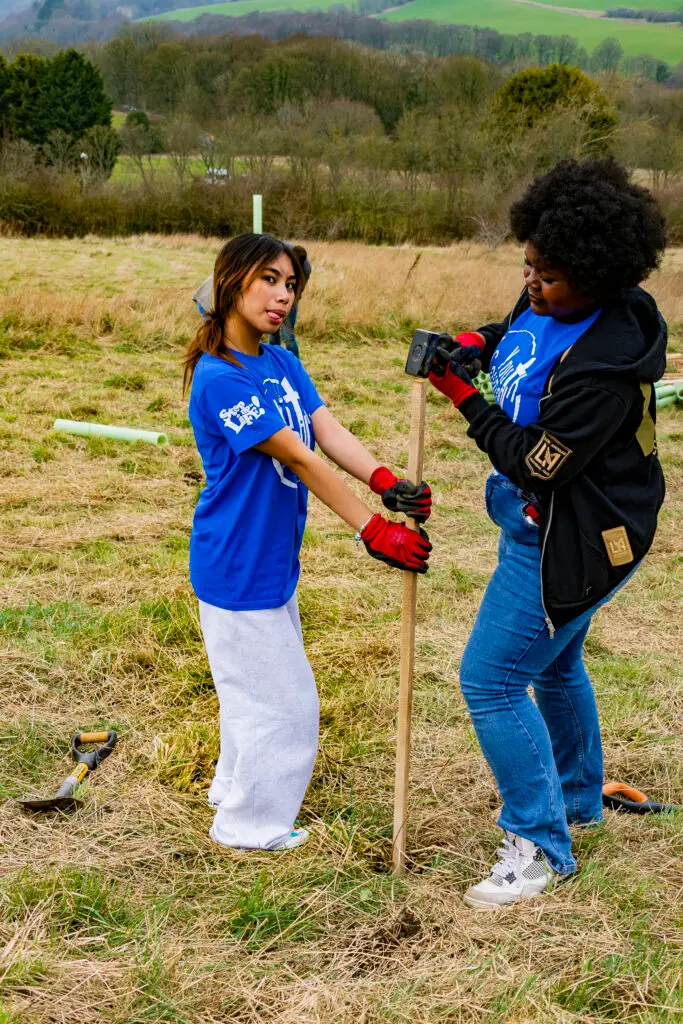
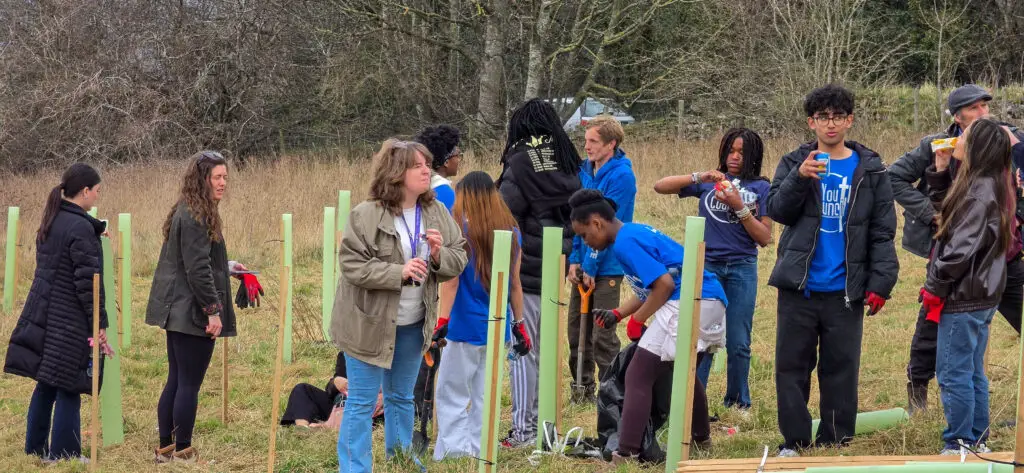
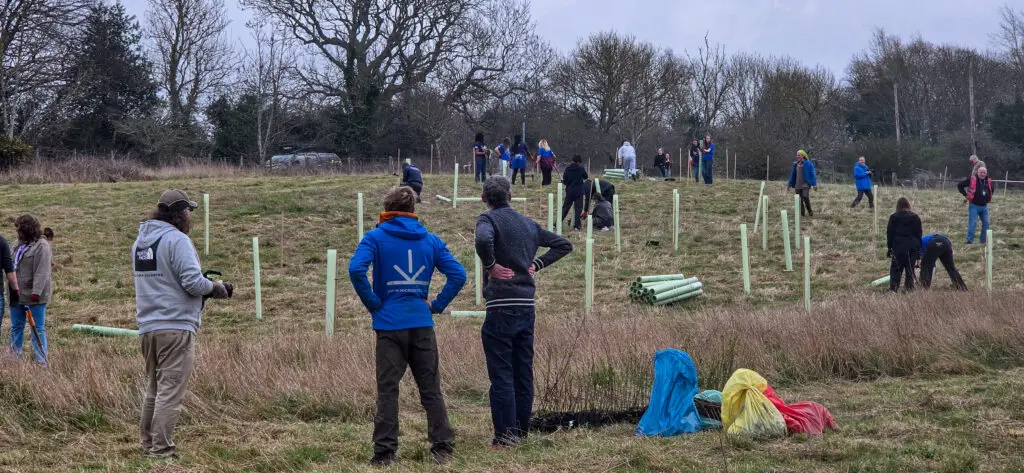
Since community involvement is a cornerstone of the project, events were organised throughout the planning process so that local organisations could contribute. These included a corporate volunteer day for local firm David Gray Solicitors, and activities led by OASES (Outdoor and Sustainability Education Services) for local school children and Emmaus service users.
Microsite will maintain the site for three years until trees are fully established. The company has also registered the site for carbon credits, which can be purchased by companies as part of carbon offset activity.
About Microsite
Microsite is a UK-based environmental and ecological land management company, delivering woodland creation, tree planting, wildflower meadow establishment and wider nature-based solutions for local authorities, landowners and commercial organisations.
Operating primarily across the North of England, Microsite combines practical delivery with a strong focus on quality, long-term outcomes and environmental improvement. The team works across a range of projects, from large-scale woodland creation for councils to bespoke schemes for private landowners and community-led initiatives.
With a growing emphasis on innovation, Microsite is developing new approaches to woodland design, soil management and planting techniques, alongside expanding into areas such as training, consultancy and product development for the wider industry.
Alongside its commercial work, Microsite is committed to creating social value through community engagement, employment opportunities and environmental improvement, helping clients deliver meaningful, long-lasting impact through their projects.