

What Is Community Woodland Creation and How Does It Work in Practice?

How professional planning, practical tree planting and local involvement come together to create community woodland that lasts.
Community woodland creation is becoming an increasingly important part of how towns, villages and neighbourhoods across the UK improve their environment, support biodiversity and create accessible green space.
However, the term is often misunderstood. Community woodland projects are sometimes assumed to be informal, short-term or driven purely by volunteer effort, rather than carefully planned, professionally delivered and designed to last for decades.
In reality, successful community woodland creation is a structured, long-term process that combines technical woodland design, practical delivery and meaningful community involvement at every stage. When done properly, it creates woodland that people value, care for and benefit from well into the future.
What is community woodland creation?
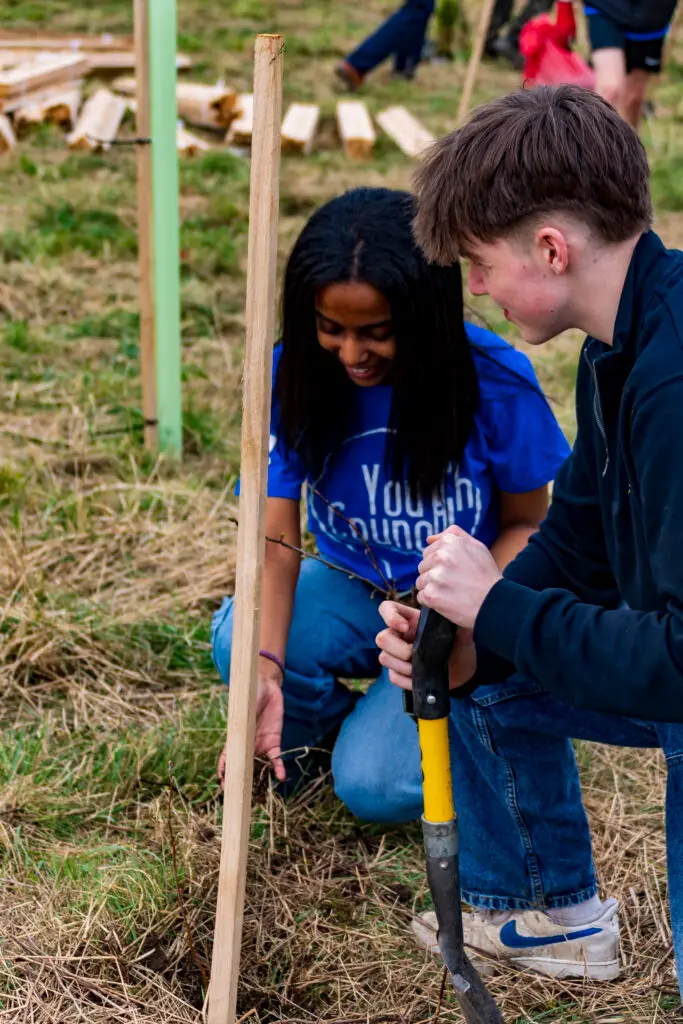
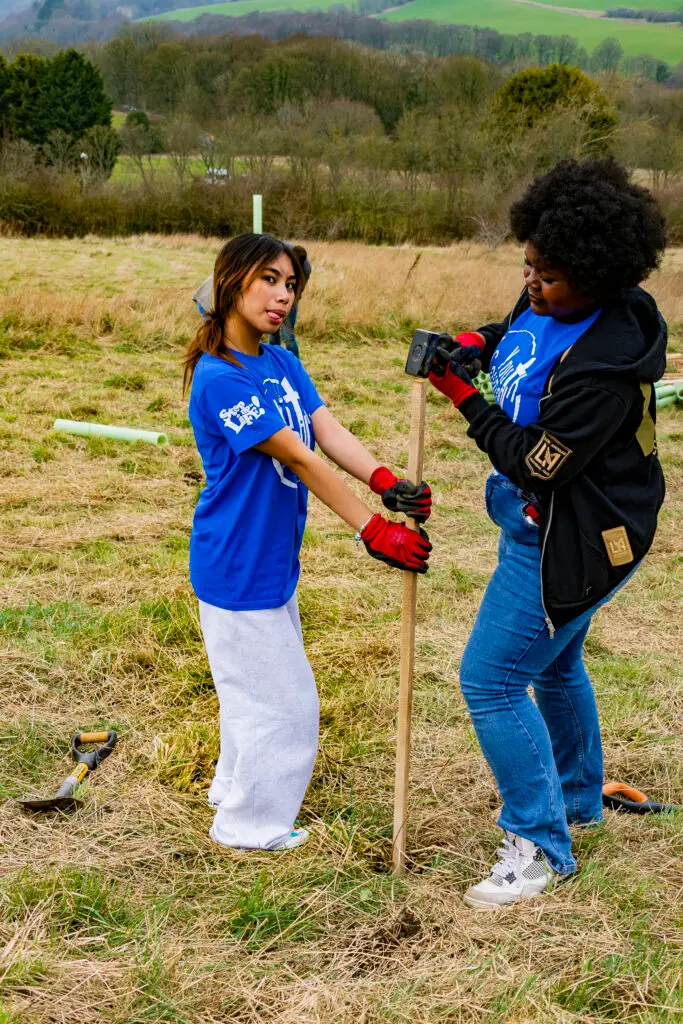
Community woodland creation is the process of designing, planting and establishing new woodland with a strong focus on local community involvement and long-term public benefit.
These projects are typically developed on land that will be accessible to local people, such as council-owned land, public open space, trust owned land or land managed for community benefit. The woodland is designed not just for trees, but for people, wildlife and the wider landscape.
Community involvement does not replace professional planning or delivery. Instead, it sits alongside it. Successful projects combine ecological expertise, practical land management and structured engagement to ensure the woodland is both technically sound and locally supported.
Is community woodland creation just a volunteer-led activity?
One of the most common misunderstandings is that community woodland projects are informal or rely entirely on volunteers.
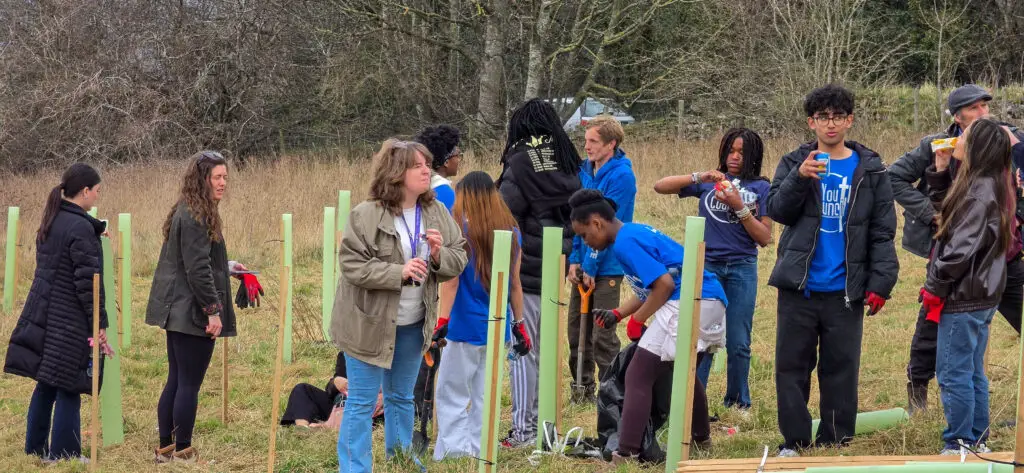
While volunteers often play a valuable role, community woodland creation still requires professional input. This includes site assessment, woodland design, species selection, planting methods, protection, health and safety planning, and long-term maintenance.
Volunteers may help with activities such as planting days, aftercare tasks or monitoring, but these sit within a wider, carefully planned project framework. Without this structure, projects can struggle to get established, or fail over time.
How do community woodland projects begin?
Most community woodland projects start with an idea rather than a fully defined plan.
This might come from a local authority, housing association, community group, trust or landowner recognising an opportunity to improve land for environmental and social benefit. Early discussions often focus on questions such as who will use the space, what the land is currently like and what the long-term vision is.
At this stage, professional support is important to help assess whether woodland creation is appropriate for the site and what form it should take. Not all land is suitable for trees, and early advice can prevent problems later on.
What happens during the planning stage?
Planning is where community woodland projects are set up for long-term success.
This stage typically includes site surveys, soil assessment, understanding drainage and exposure, considering existing habitats and identifying constraints such as services or public access. Tree species and planting layouts are then chosen to suit the site rather than forcing a standard design.
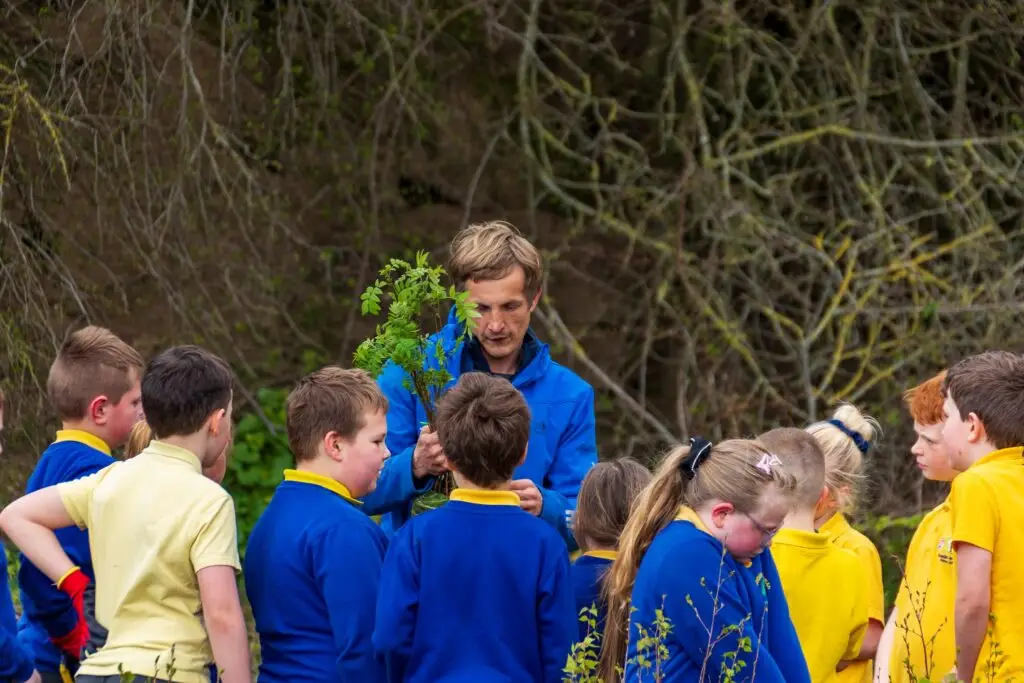
Community engagement often runs alongside this process. This might involve consultation events, workshops or discussions to understand how people want to use the space and what matters to them. Importantly, this input helps shape the design without compromising ecological quality or practicality.

What role does the community play in planting?
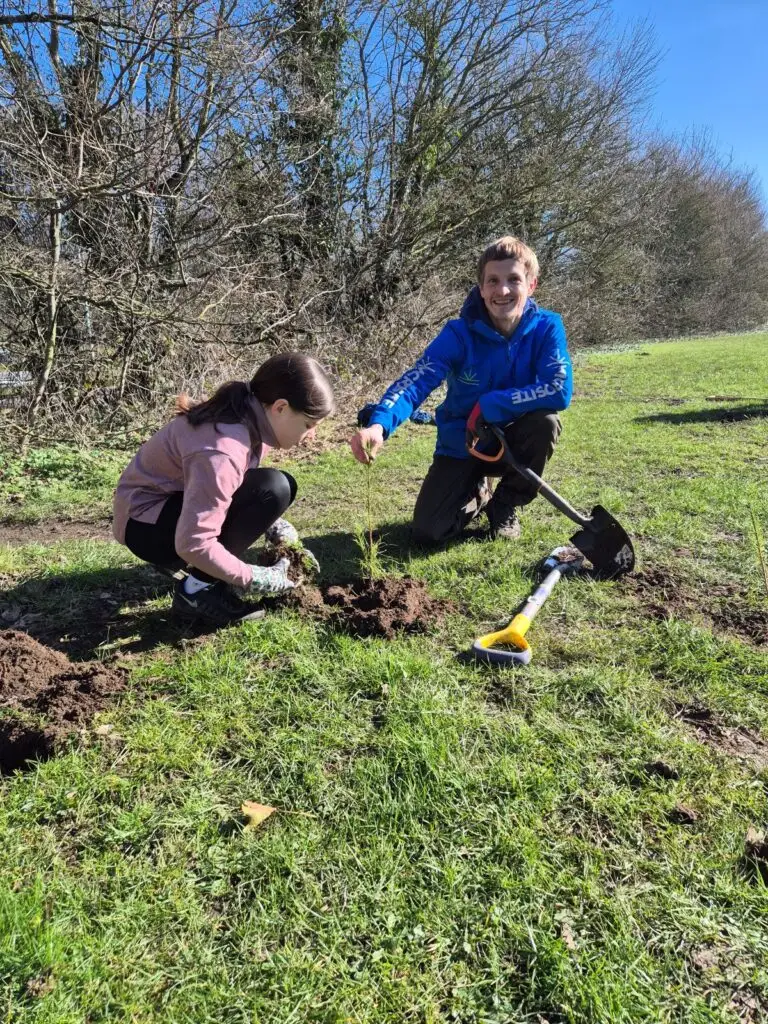
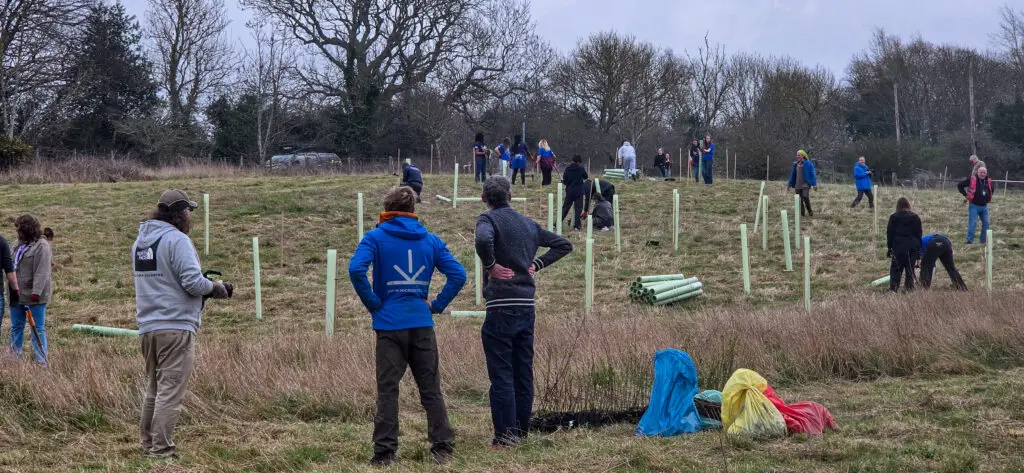
Community involvement during planting is often the most visible part of a project, but it is only one stage.
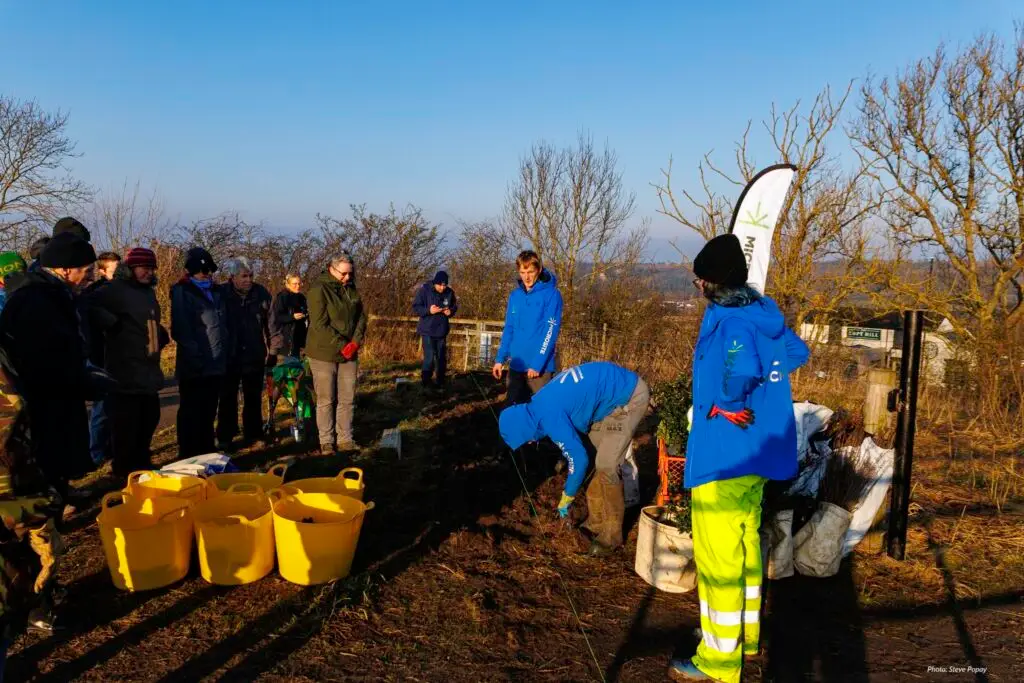
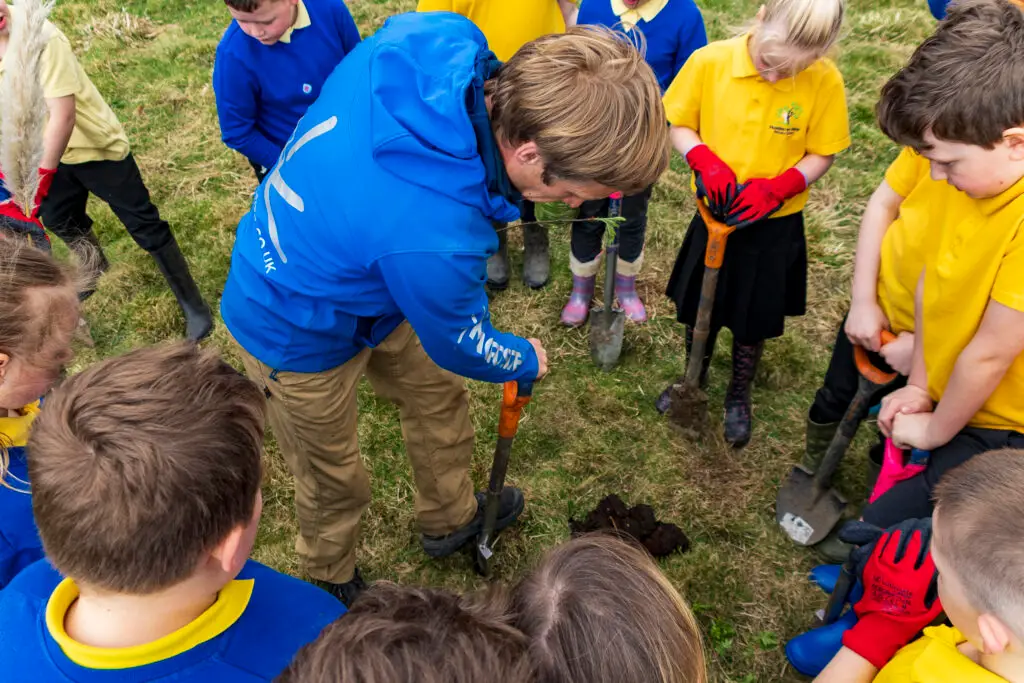
Planting days can help people feel connected to the woodland and understand what is being created. They also provide opportunities to explain why certain species, layouts or protection methods are being used.
However, planting still needs to be carefully managed. Ground conditions, weather, planting technique and supervision all affect whether trees establish successfully. Community planting works best when it is well-organised, supported by professionals and focused on quality rather than speed.
Stay Connected
By working side by side, we are creating woodlands that not only support biodiversity but also strengthen communities for generations to come.
What happens after planting day?
A common misconception is that a community woodland project ends once the trees are in the ground.
In reality, planting is just the beginning. Young trees need ongoing care to help them establish. This includes checking shelters and stakes, replacing failures, managing competing vegetation and keeping sites safe and tidy.
Communities can play a role here too, through activities such as monitoring, reporting issues or taking part in organised maintenance sessions. Clear responsibility and a defined maintenance plan are essential to avoid sites becoming neglected or disappointing local people.
What challenges do community woodland projects face?
Community woodland creation comes with practical challenges that need to be managed carefully.
These can include unrealistic expectations about how quickly woodland will develop, pressure to plant high numbers of trees without considering site conditions, or confusion about who is responsible for care over time. Public sites also face challenges such as vandalism, litter or damage from heavy use.
Successful projects are honest about these issues from the start. They focus on realistic outcomes, clear communication and long-term management rather than quick wins.
What does success look like over time?
A successful community woodland does not just look good in its first year.
Over time, it should begin to feel like a natural part of the landscape, with trees establishing well, paths and access working as intended and people using and valuing the space. Wildlife benefits should increase, and the woodland should require less intensive intervention as it matures.
Perhaps most importantly, local people should feel a sense of ownership and pride, understanding that the woodland is a shared, long-term asset rather than a short-term project.
Why does long-term thinking matter in community woodland creation?
Community woodland creation should always be judged over decades, not months.
Short-term approaches can lead to failed trees, disappointed communities and wasted investment. Long-term thinking ensures the right decisions are made about species, layout, protection and maintenance from the outset.
When community woodland creation is done properly, it delivers lasting environmental improvement, meaningful community value and resilient green spaces that future generations can enjoy.
Community woodland creation is not about planting trees as quickly as possible or relying on goodwill alone. It is about combining professional woodland creation with genuine community involvement to create places that work ecologically and socially.
By understanding what community woodland creation really involves, and by approaching it as a long-term, carefully planned process, projects can move beyond misconceptions and deliver woodland that truly lasts.
About Microsite
Microsite is a UK-based environmental and ecological land management company, delivering woodland creation, tree planting, wildflower meadow establishment and wider nature-based solutions for local authorities, landowners and commercial organisations.
Operating primarily across the North of England, Microsite combines practical delivery with a strong focus on quality, long-term outcomes and environmental improvement. The team works across a range of projects, from large-scale woodland creation for councils to bespoke schemes for private landowners and community-led initiatives.
With a growing emphasis on innovation, Microsite is developing new approaches to woodland design, soil management and planting techniques, alongside expanding into areas such as training, consultancy and product development for the wider industry.
Alongside its commercial work, Microsite is committed to creating social value through community engagement, employment opportunities and environmental improvement, helping clients deliver meaningful, long-lasting impact through their projects.